Home Taping
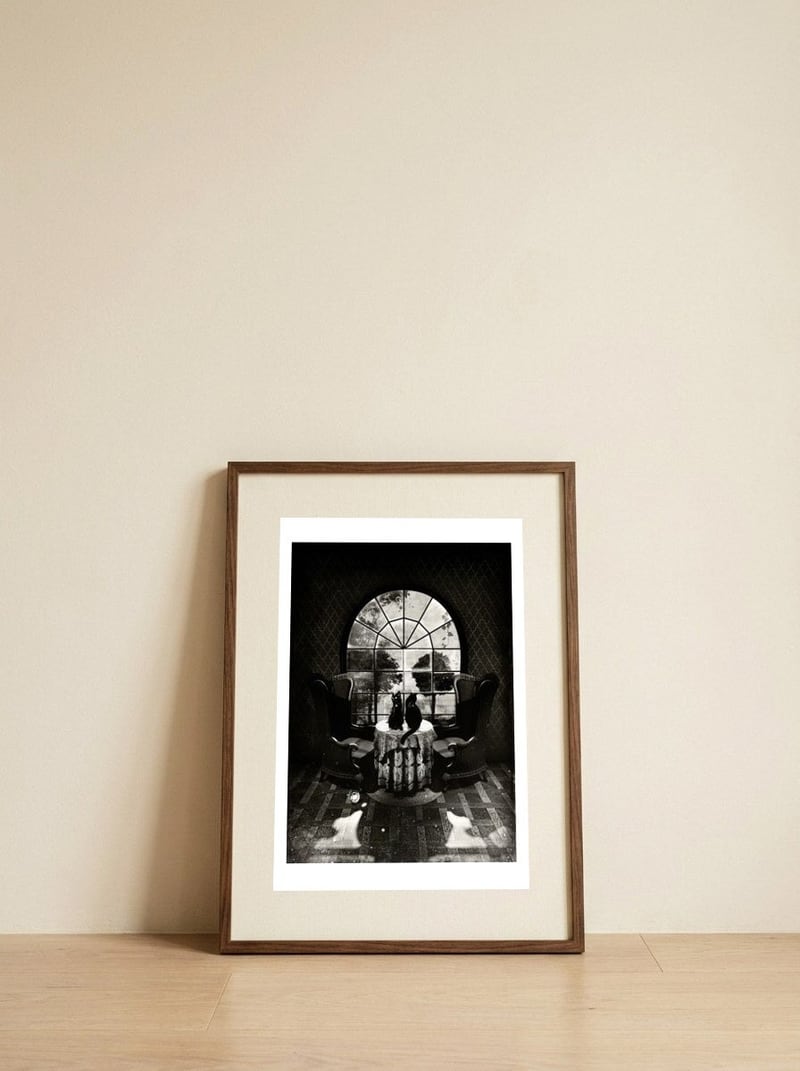
Ali GulecAli Gulec constructs a memento mori for the analog era, where the mechanical anatomy of a cassette tape replaces the organic architecture of the human skull. This illustration bridges the gap between physical memory and technological decay, rendering the internal gears of a machine as the very bones of our identity.

Styling images show a frame. Print sold unframed.
Home Taping
Ali Gulec constructs a memento mori for the analog era, where the mechanical anatomy of a cassette tape replaces the organic architecture of the human skull. This illustration bridges the gap between physical memory and technological decay, rendering the internal gears of a machine as the very bones of our identity.
20 × 25 cm · about ⅛ the width of a 3-seat sofa
A meaningful share of this purchase goes directly to Ali Gulec.
Every Arthaus piece supports a living artist.

Home Taping
Ali Gulec
Art Analysis
The Mechanical Ghost Within the Analog Shell
In this portrait-oriented piece, Gulec explores a distorted dichotomy by merging the rigid, functional design of home recording technology with the universal symbol of mortality. The skull is not a solid mass of bone but a complex assembly of reels, magnetic tape, and plastic housing, suggesting a cognitive dissonance between our biological selves and the media we use to record our lives. The intricate linework highlights the mechanical anatomy of machinery, turning the act of 'home taping' into a literal structural foundation for the human head.
The composition invites a direct viewer interaction experience, forcing an altered perception of what constitutes a portrait. By replacing eyes with the circular hubs of a cassette, Gulec creates an engaging gaze interaction that feels both hollow and strangely observant. The artwork serves as a metaphorical representation of how we archive our experiences, suggesting that the tools we use to capture sound and memory eventually become inseparable from our own internal anatomy.
Gulec meticulously renders the internal gears and hardware of the creature to suggest functional machinery.
The piece reflects on how personal history is recorded and stored, questioning the permanence of self in a medium-driven world.
Gulec uses the contrast between the soft concept of memory and the hard edges of plastic machinery to create a jarring visual harmony.
Free Shipping
On all framed orders
100-Day Guarantee
Love it or return it
Gallery Quality
Museum-grade materials
Artist-Direct
Fair pay, every piece
More to Discover
More from Ali Gulec
ArtistMore of Ali Gulec’s work, hand-picked from the collection.