Syrian Thistle
Tal Paz-FridmanTal Paz-Fridman translates the resilient architecture of the semi-desert into a study of sharp geometry and silvered light. Through a monochrome lens, the Syrian thistle is stripped of its color to reveal a complex network of white veins and protective spines that define its survival.
Syrian Thistle
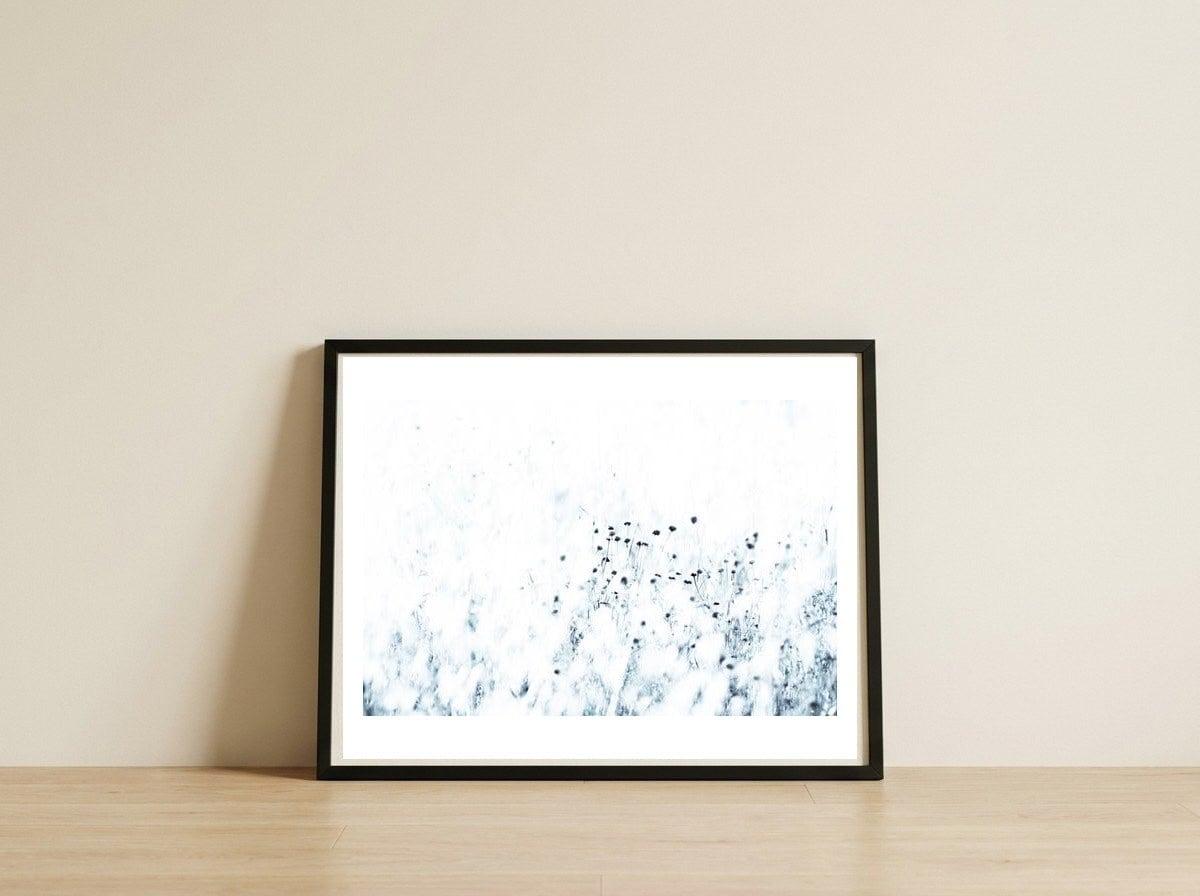
Tal Paz-Fridman translates the resilient architecture of the semi-desert into a study of sharp geometry and silvered light. Through a monochrome lens, the Syrian thistle is stripped of its color to reveal a complex network of white veins and protective spines that define its survival.
35 × 28 cm · about ⅕ the width of a 3-seat sofa
A meaningful share of this purchase goes directly to Tal Paz-Fridman.
Every Arthaus piece supports a living artist.

Syrian Thistle
Tal Paz-Fridman
Art Analysis
From the artist, Tal Paz-Fridman
Notobasis syriaca, the Syrian thistle is an annual plant belonging to the semi-desert flora, growing to 30–100 cm tall. The leaves are spirally arranged on the stems, deeply lobed, grey-green with white veins, and sharp spines on the margins and apex. The flowers are purple, produced in a dense flowerhead (capitulum) 2 cm diameter, surrounded by several spiny basal bracts. Source: Wikipedia
The Sharp Geometry of Desert Survival
In this landscape composition, the Notobasis syriaca is reimagined as a structural marvel rather than a mere wildflower. The artist focuses on the tactile contrast between the deeply lobed, grey-green leaves and the aggressive sharp spines that guard the plant’s apex. By removing the purple hue of the dense flowerhead, the photograph emphasizes the intricate patterns of the basal bracts and the rhythmic, spiral arrangement of the stems.
The work highlights the botanical details of a species built for harsh environments, growing up to 100 centimeters in height. The choice of a monochrome palette shifts the viewer's attention toward the play of light across the thistle's surface, turning the organic form into an abstract arrangement of lines and shadows. It is a quiet observation of nature’s defensive beauty, found within the rugged flora of the desert fringe.
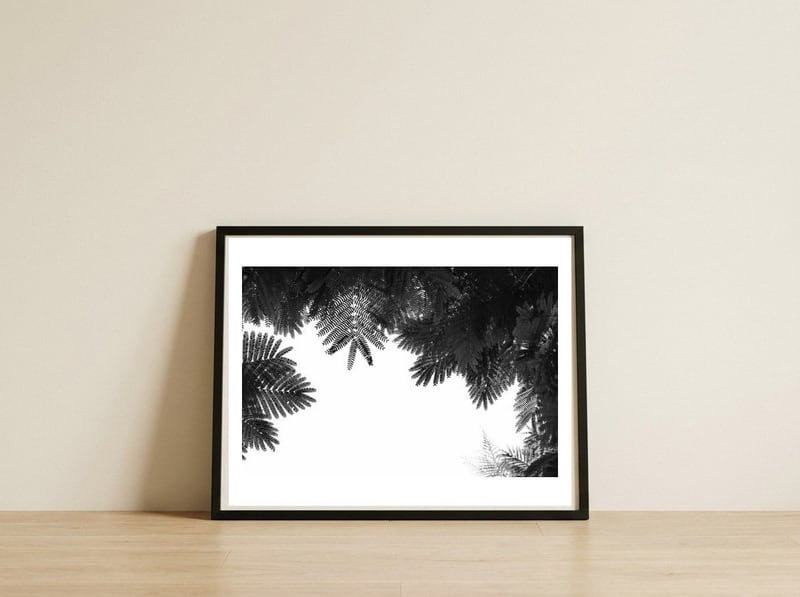
The piece focuses on the structural complexity and organic patterns found in the uppermost branches of trees.
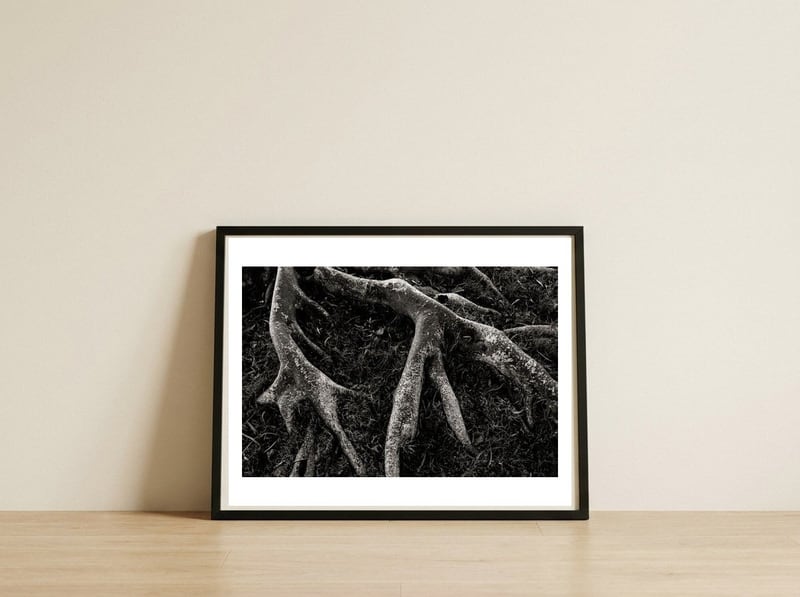
The use of black and white photography highlights the rugged, tactile surfaces of the roots without the distraction of color.
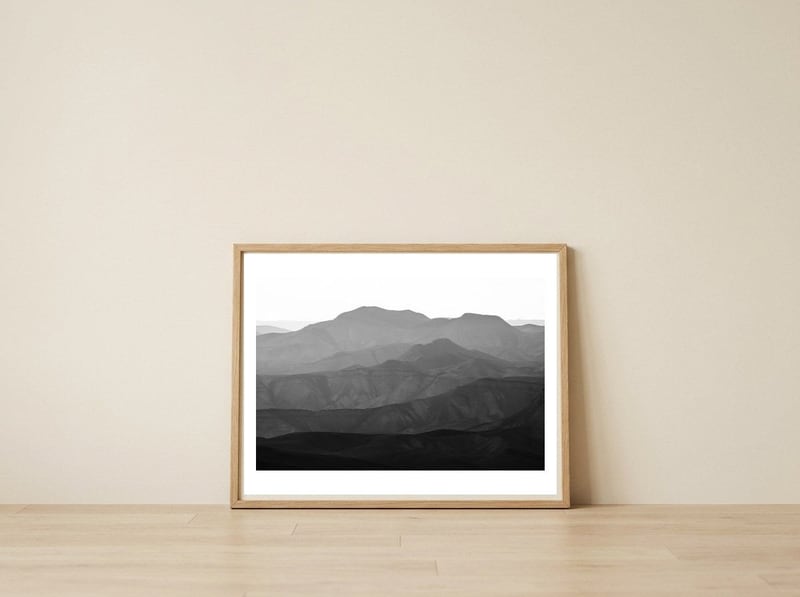
The piece uses non-representational forms to evoke the fluid, irregular silhouettes found in the wild.
Free Shipping
On all framed orders
100-Day Guarantee
Love it or return it
Gallery Quality
Museum-grade materials
Artist-Direct
Fair pay, every piece
More to Discover
More from Tal Paz-Fridman
ArtistMore of Tal Paz-Fridman’s work, hand-picked from the collection.