The Robots
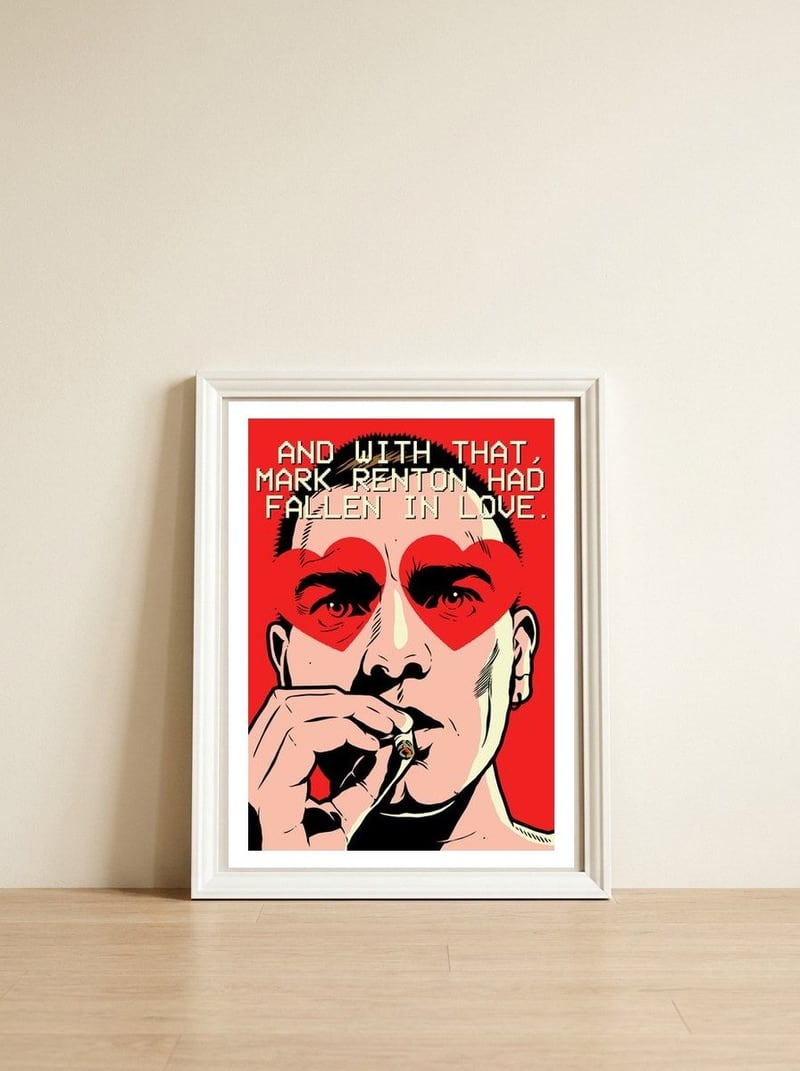
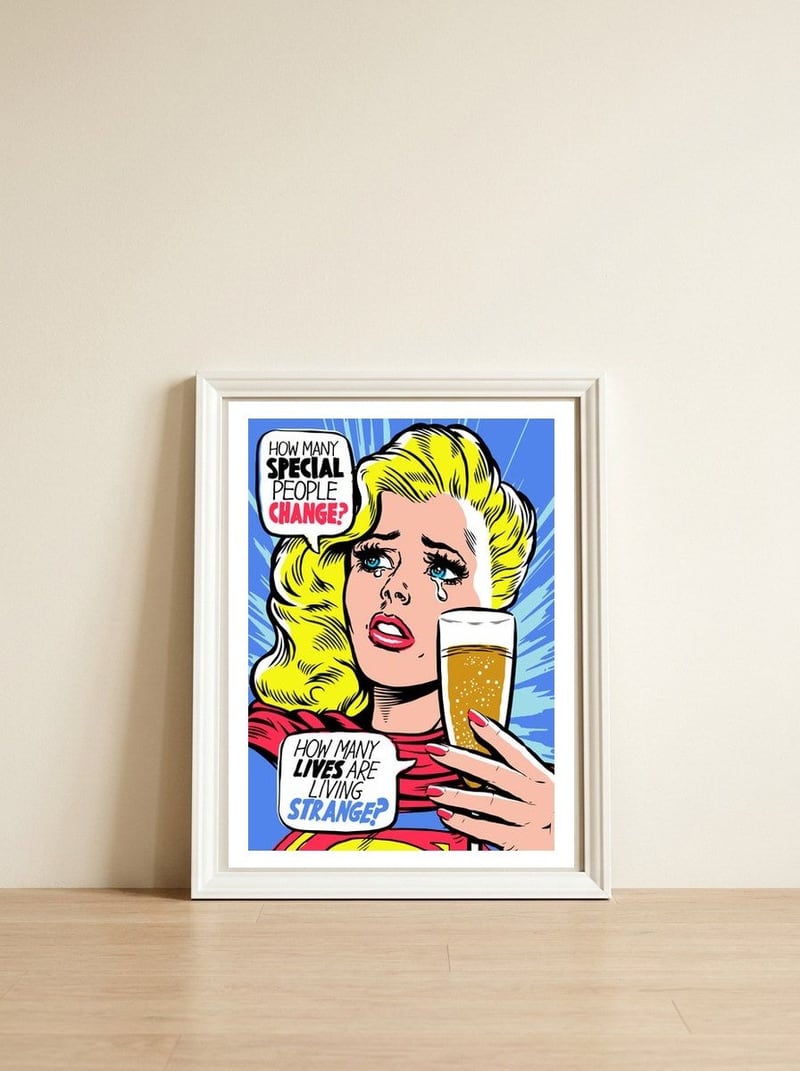
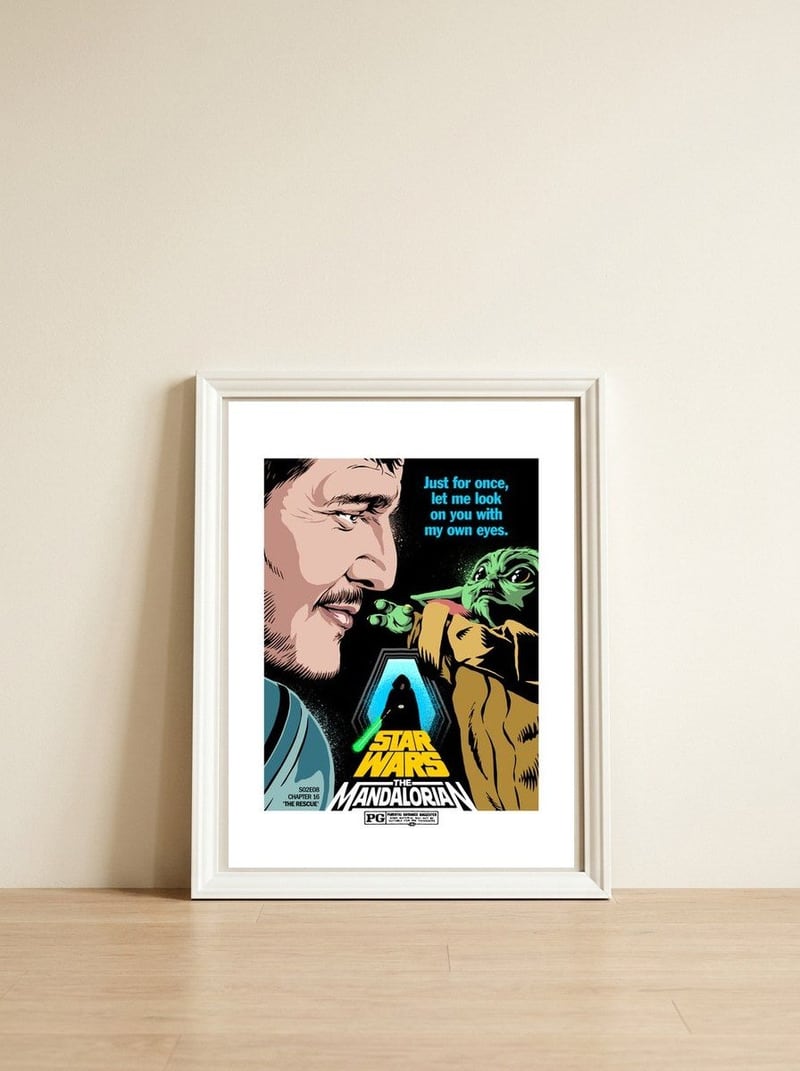
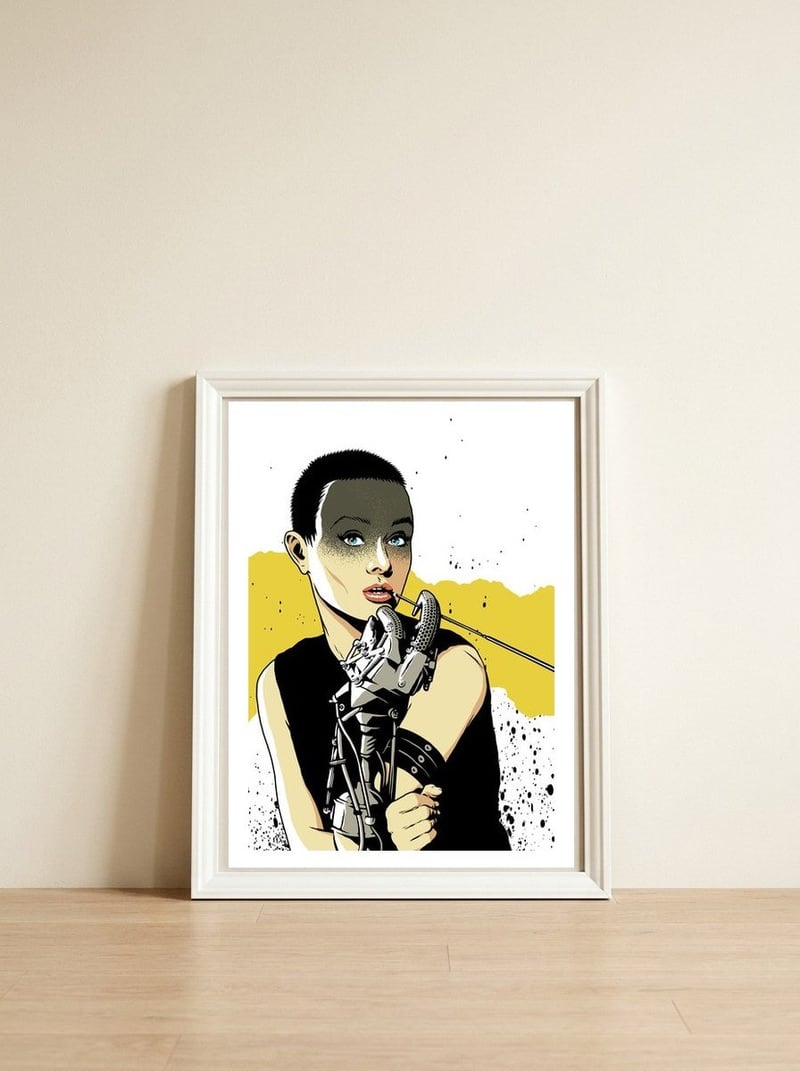
Butcher BillyButcher Billy reconfigures pop culture icons into bold, graphic narratives that pulse with the energy of a comic book panel. This piece places mechanical figures within a structured urban grid, blending rigid geometric patterns with the fluid storytelling of a cinematic frame.

The Robots
Butcher Billy reconfigures pop culture icons into bold, graphic narratives that pulse with the energy of a comic book panel. This piece places mechanical figures within a structured urban grid, blending rigid geometric patterns with the fluid storytelling of a cinematic frame.
A meaningful share of this purchase goes directly to Butcher Billy.
Every Arthaus piece supports a living artist.
Art Analysis
Mechanical souls in a pop-infused urban landscape
Butcher Billy utilizes the Pop Art Movement to bridge the gap between mechanical life and human emotion. By employing bold geometric designs and intricate circle patterns, the artist constructs a world where robots inhabit a dense urban cityscape, suggesting a narrative of resilience and inner strength. The composition draws heavily from movie aesthetics, framing the subjects in a portrait orientation that emphasizes their presence as modern superhero archetypes.
The work thrives on a dynamic movement narrative, where the interaction between the figures and their environment creates an engaging visual storytelling experience. Through a lens of art genre exploration, the piece humanizes these extraordinary beings, placing them within fantastical realms that feel both alien and familiar. Every line and shape serves to ground these mechanical entities in a reality defined by social justice advocacy and the persistent pulse of city life.
Tarini utilizes bold color interactions and graphic layering to bring a mid-century commercial feel to a Renaissance subject.
The photograph focuses on the repeating patterns and vertical rhythms of the financial district, turning functional skyscrapers into abstract shapes.
This work draws heavily from the cinematic film industry, translating the visual language of television into a singular, powerful portrait.
By portraying robots with a sense of inner strength and resilience, the work explores the concept of humanizing non-human entities.
Free Shipping
On all framed orders
100-Day Guarantee
Love it or return it
Gallery Quality
Museum-grade materials
Artist-Direct
Fair pay, every piece